
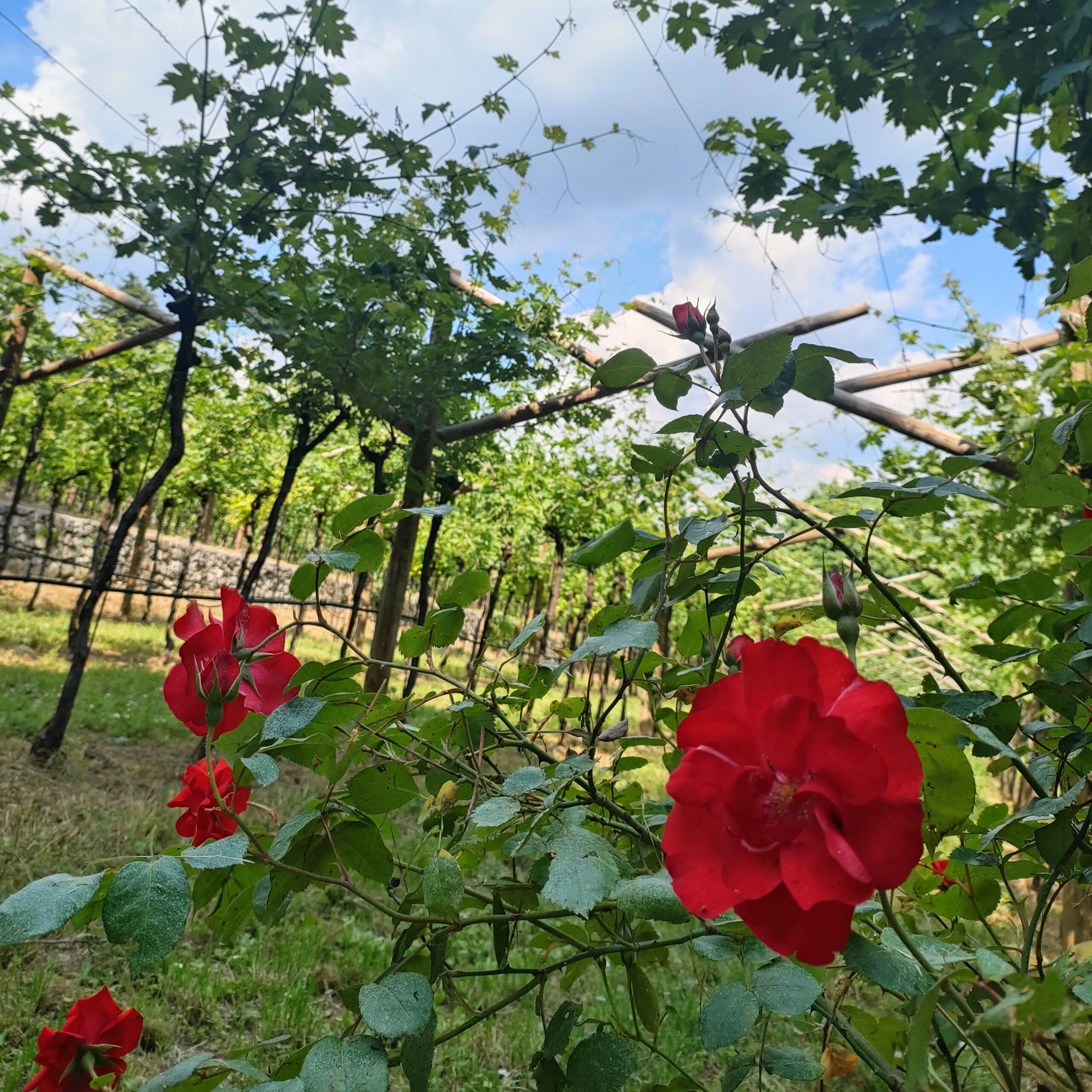
Visiting Valpolicella in May means immersing yourself in a lush, verdant landscape. While production activities in the area’s countless cellars are minimal at this time of year, nature outside is in full swing. The vines, reinvigorated by the spring rains, are stretching out their shoots, and through the leaves you can glimpse the first inflorescences that in a few months will transform into ripe grape clusters.
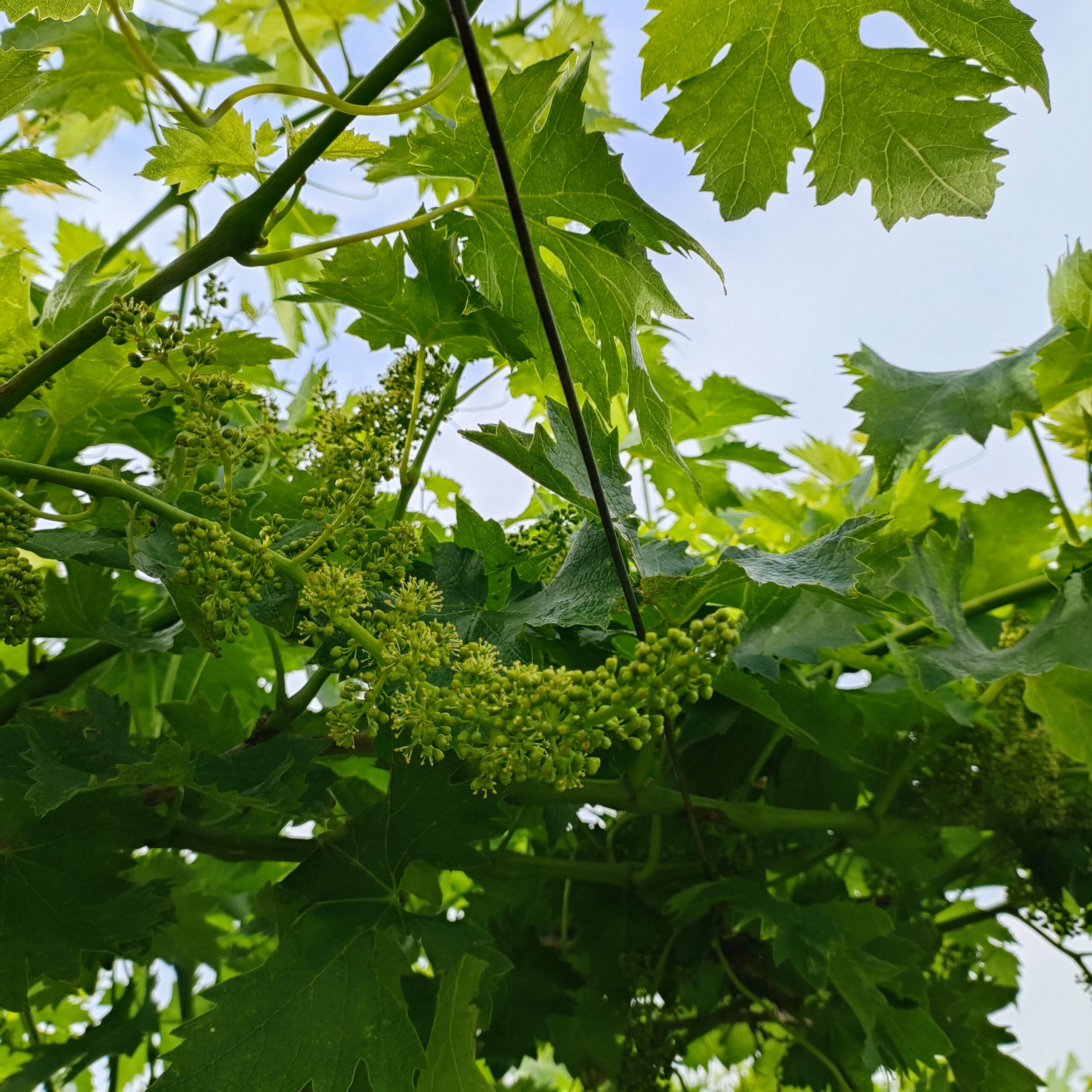
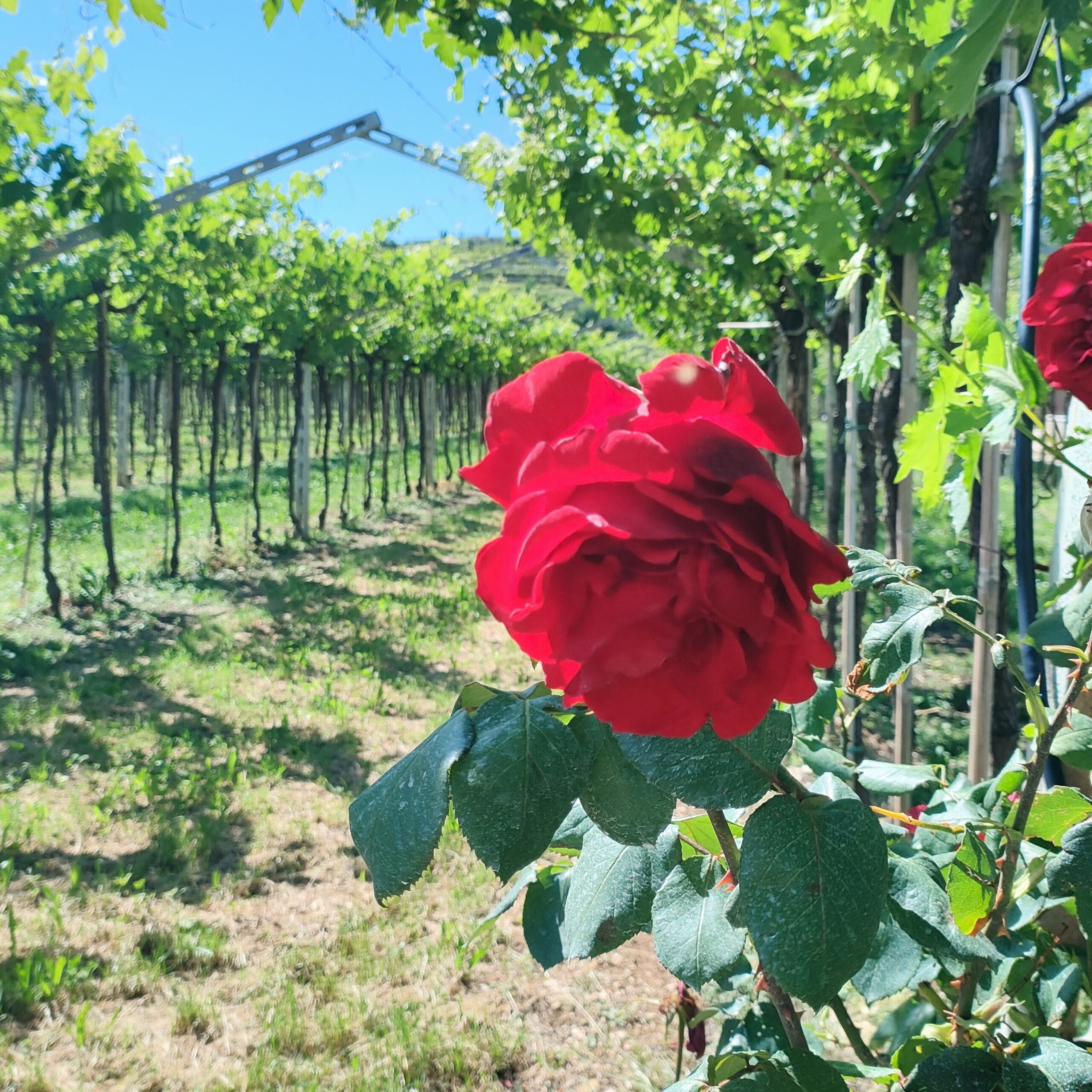
But among the various shades of green, a few touches of color can still be glimpsed. May is the month when roses bloom, and the red, yellow, pink, and orange buds of this marvelous flower have been a familiar presence for centuries, opening the rows of vineyards. This isn’t just an aesthetic quirk, but an ancient technique for maintaining the health of vineyards. The rose is, in fact, called a “sentinel plant” because it reveals the attack of parasites, diseases, and even mineral deficiencies before the vines do. Thus, the presence of rose bushes in vineyards helps farmers intervene before the spread of the problem is fatal to the harvest. In reality, thanks to the development of modern agricultural and vine-training techniques, the rose’s role as a “spy plant” is certainly no longer necessary. However, it remains a widespread practice, particularly among farmers committed to upholding traditions and safeguarding the vine’s natural biological cycles.
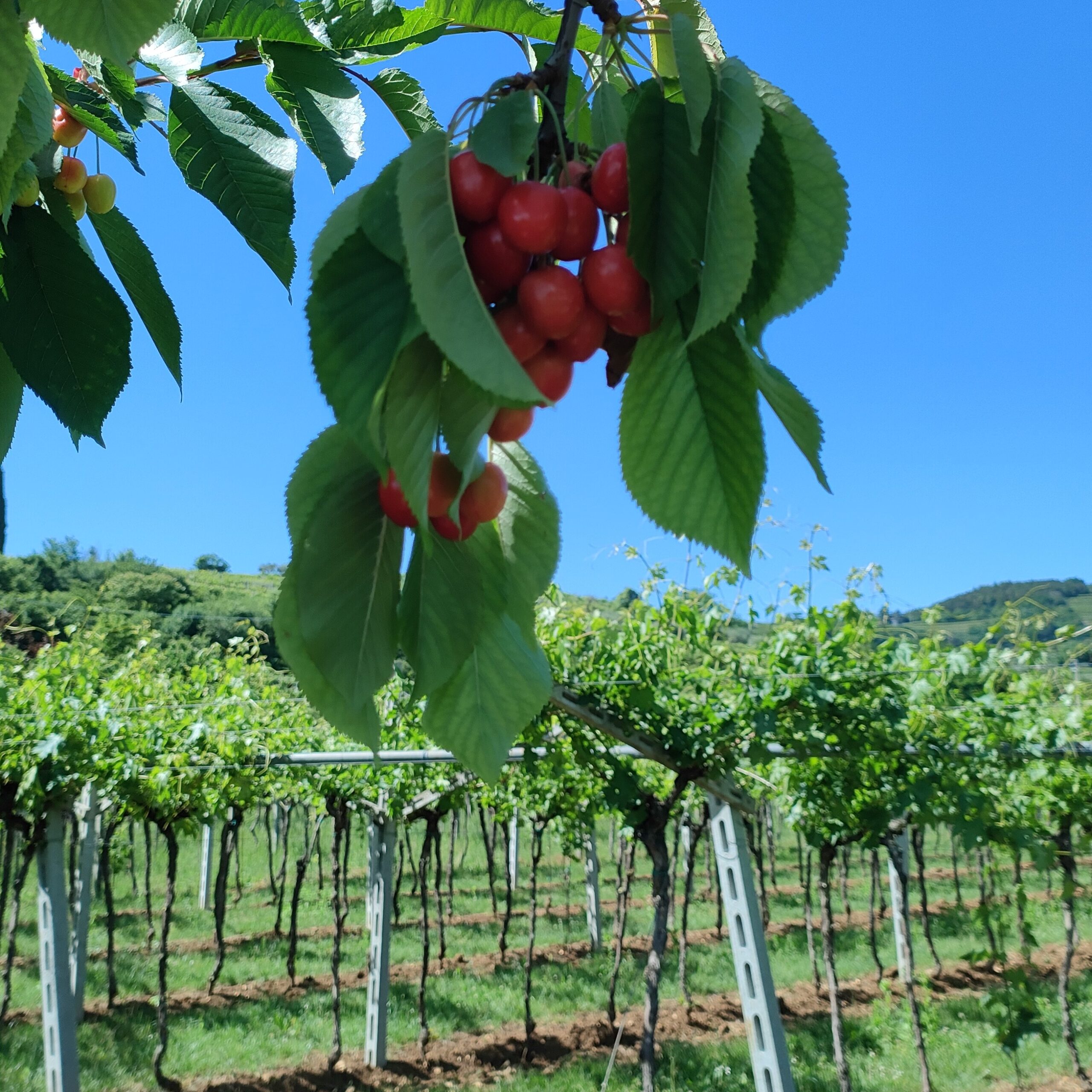
But roses aren’t the only splash of color enriching the Valpolicella landscape this season. Cherries are also beginning to turn red among the foliage, tantalizing anyone strolling through the vineyards. The presence of cherry trees in Valpolicella appears to date back to the Paleo-Venetian period, between the 7th and 5th centuries BC, and when viticulture began to develop, cherry trees were the most common living supports for vines. In the past, cherry wood was also used to make barrels for aging wine, a practice that has now almost completely been replaced by oak, but which has not disappeared entirely. Today, the cherry orchard population has significantly declined to make way for the more profitable grape cultivation, but the various cherry varieties, still grown primarily in the hills, are a defining feature of the landscape and culture of this area, where the “Cherry Festival” is celebrated between May and June in Gargagnago, a hamlet of Sant’Ambrogio di Valpolicella. It’s also interesting to note how the cherry, in its various stages of ripeness, is the most characteristic aroma of all Valpolicella wines: from the sour cherry of Valpolicella DOC, to the ripe cherry of Valpolicella Superiore and Ripasso, to the cherry in alcohol of Amarone and the cherry jam of Recioto.
Join one of our group tours to discover all the colors and flavors of Valpolicella in early summer. Find all the information on the dedicated page on our website. If you’d like a more personalized experience, don’t hesitate to contact us at [email protected].