
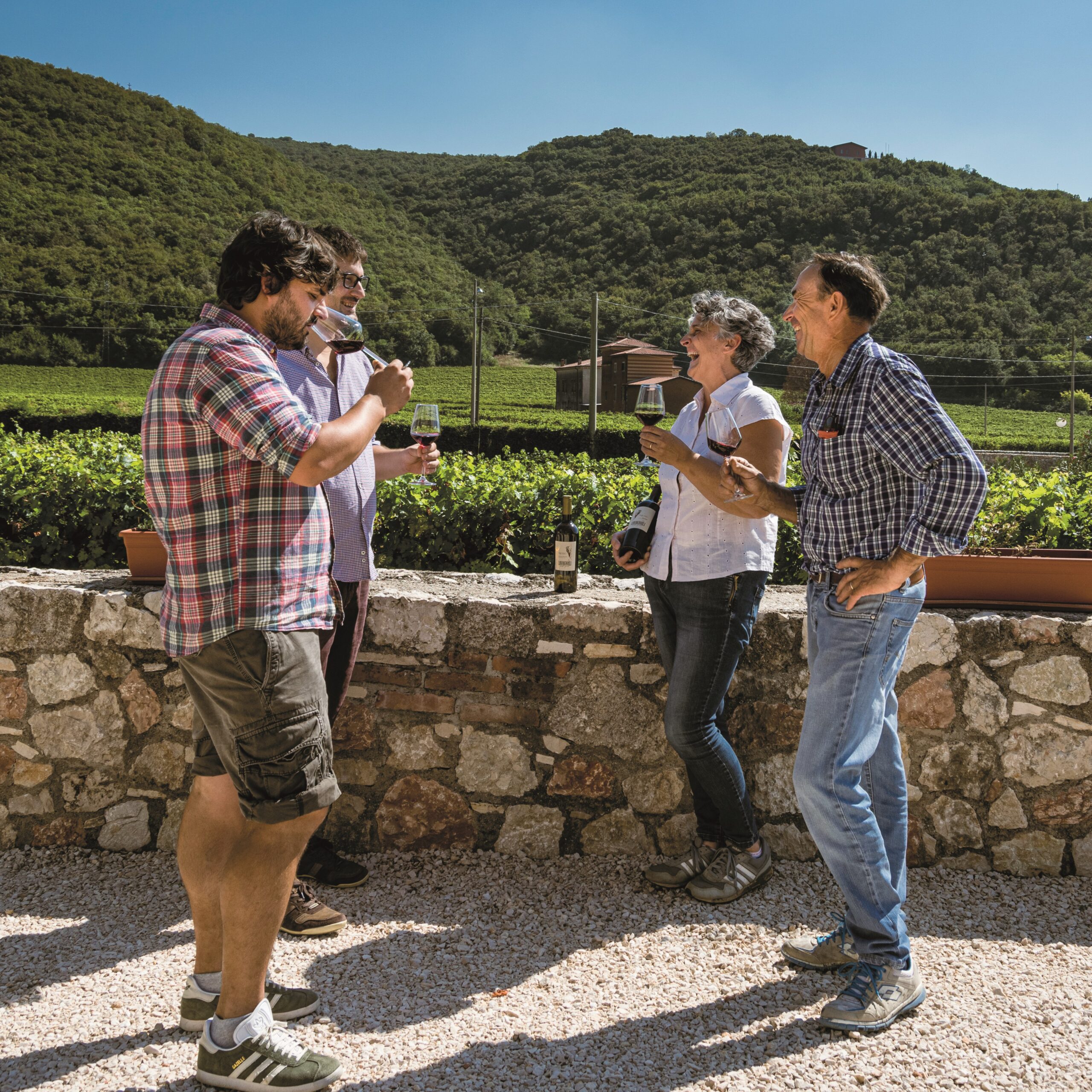
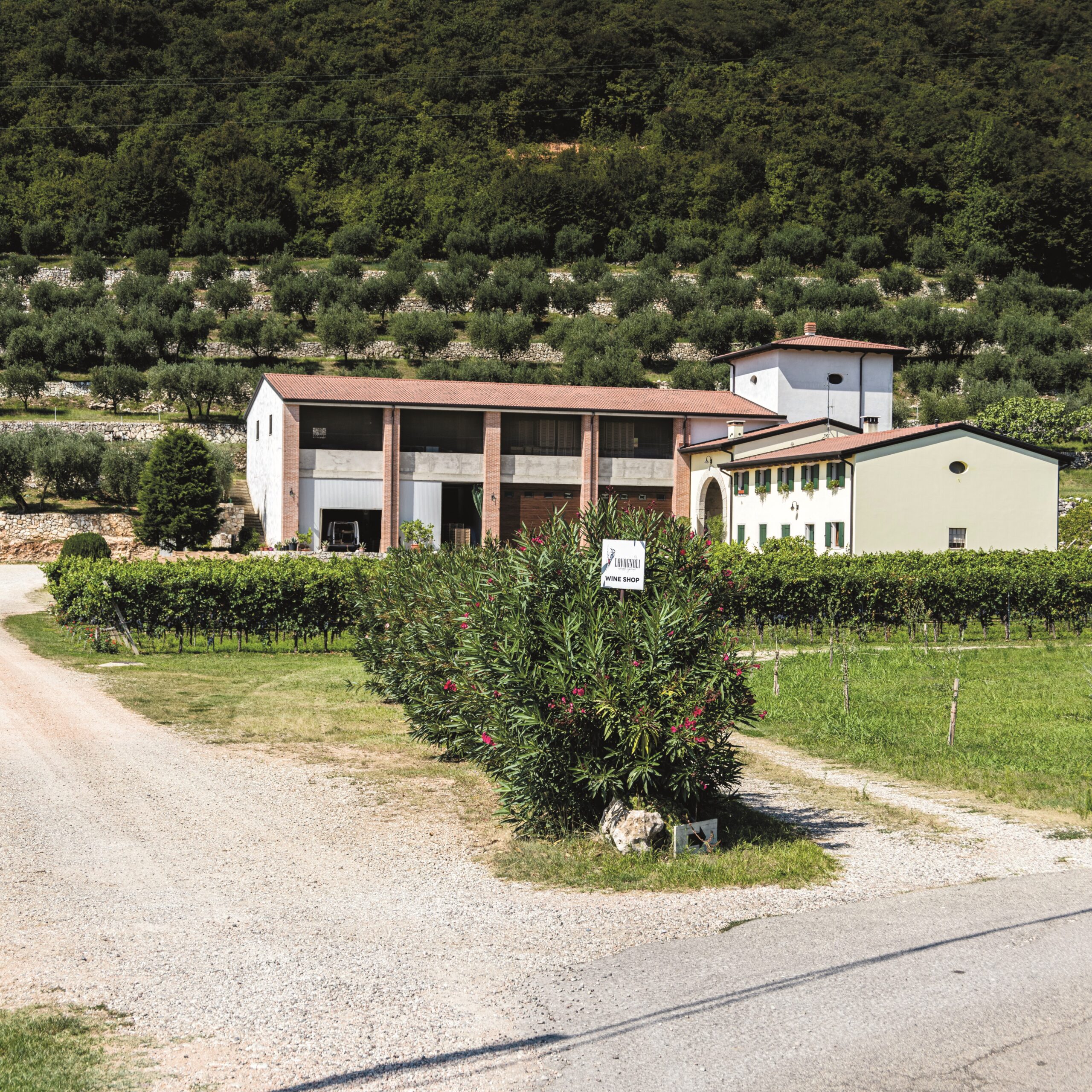
For our first wine talk with the producer of 2026, we’ll take you to Pigozzo, a small town in the Squaranto Valley, one of the lesser-known valleys of the Valpolicella DOC. Here, in 2015, Andrea Lavagnoli opened a winery, beginning to vinify some of the grapes his family had been growing for decades, then selling them to third parties. Andrea’s passion for his work and love for his land have inspired him to produce wines that are deeply rooted in the terroir, including not only the appellation’s iconic wines but also IGT wines that fully express the potential of the Squaranto Valley terroir. We met with Andrea himself for a chat about wine, passion, and the desire to emerge.
Andrea, the first topic I’d like to share with you is HUNGER, not meant as the desire to fill your belly, but rather the will to succeed. Since you’re a small, young producer, especially in a little-known valley of Valpolicella, I think this is a word that describes your situation pretty well.
Of course. I use the word hunger, among other things, in connection with the concept of emancipation, because ours is a family of farmers. Farmers is a term often used rhetorically these days, but my family truly doesn’t have great wealth behind it. I certainly can’t say I was born with the same hardships as my father or grandfather, but I must always remember that it takes a lot to build, but relatively little to destroy. Aside from this, to focus more on our area, it’s true: this is a valley that until about fifteen years ago was exclusively a supply basin for the Cooperative Winery of Quinto, so farming families living and working here were supplying their grapes to large companies.
In concrete terms: there were no wineries producing wine for sale to the public, but everyone grew grapes to sell to other companies who then made wine.
There was only one historic winery, Baltieri, which no longer exists. Now, however, we find ourselves one of the oldest wineries in the Squaranto Valley, along with another winery founded five years before us. This is a bit funny because it’s only our tenth year of existence. Now there are almost a dozen wineries, between the valley floor and the hilly part of the Squaranto Valley, and it’s wonderful and interesting because we’re all young wineries. Each one obviously tries to bring their own philosophy and way of working to the table; some have opted for organic, some for biodynamic. I love wine and sometimes I even think like a wine lover who visits wineries, and I think this is a very interesting area to discover, because a small winery is often more inspiring to visit than a large, renowned winery, whose wine you can taste almost anywhere. We have the opportunity to provide diverse insights: when I do tastings here, they’re never all the same, and I also try to provide some information about agronomy, for example, because it’s a big part of my job, while in other places it tends to be overlooked.
So has your vineyard management changed since you opened the winery?
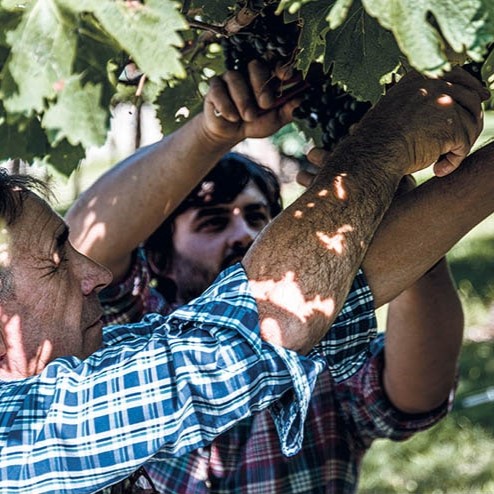
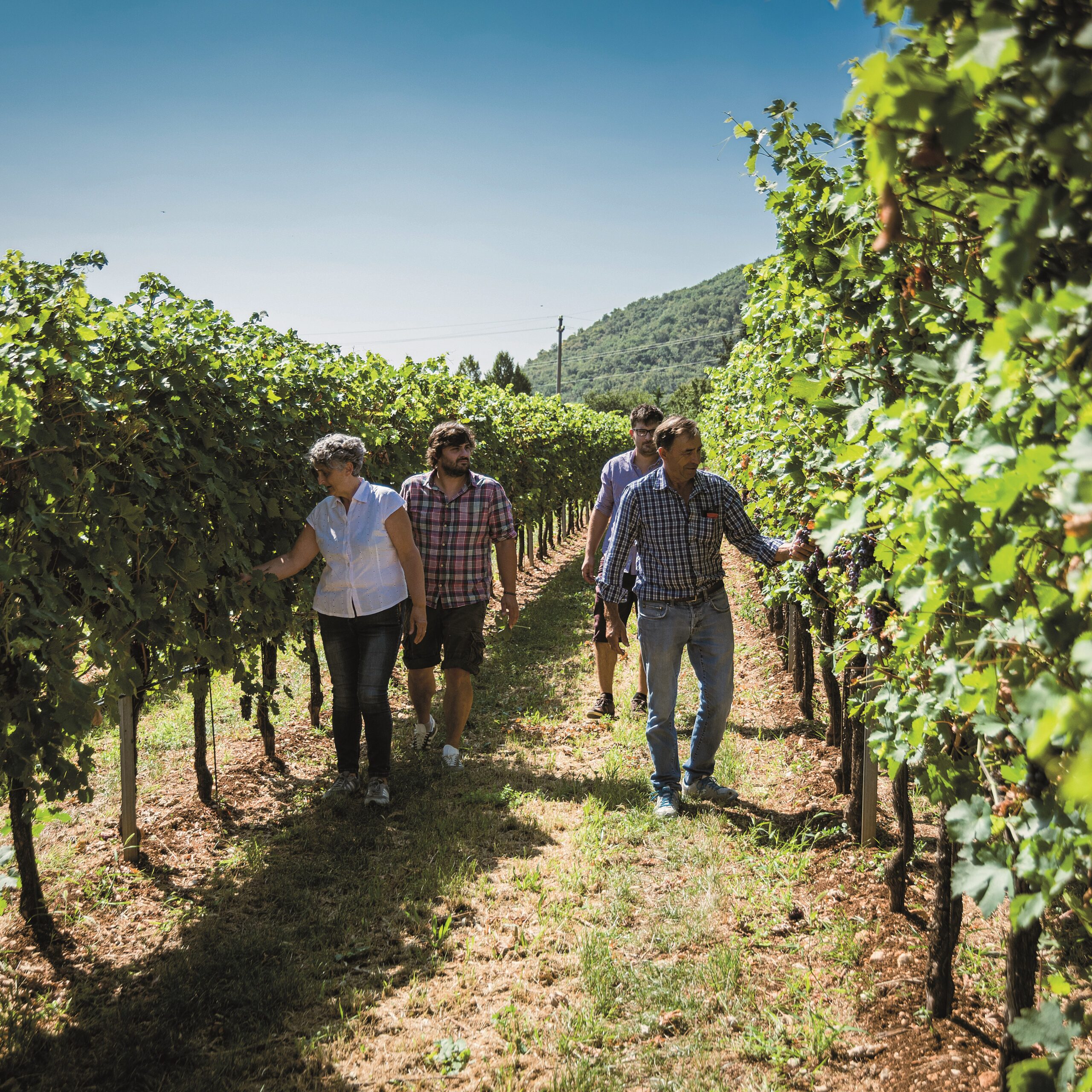
Consider that we work ten hectares, but until a few years ago I managed fourteen. Our job before was to produce a lot of grapes, because our income came from grape sales. The way we work in the vineyard has certainly changed, in the sense that we are now even more careful. We have very little white grapes, so we pay extreme attention to the agronomics, just like the grapes for Amarone. We also dry the red grapes for almost all the wines, and we have identified areas on the property where the grapes tend to be better, so we pay extra attention there. Beyond the winery, if you work very well in the vineyard throughout the year, the picking is much easier, due to the harvest and exposure of the bunches. This is a step we are taking year after year; it’s a constant pursuit of improvement. So we have certainly changed the way we work in the fields, but I am fortunate that my father taught me to work well and precisely.
I believe that to enter an already saturated market like this, you really need a strong desire to do well and stand out in some way.
Of course, returning to the main question, the concept of hunger is very present for us, because as young producers we have a long way to go. I remember that in 2015, when we started vinifying our grapes, thirty-five other wineries had opened in Valpolicella, and we were 330 producers; now we’re 360, so you understand there’s also some competition, and the quality at which the wineries work is generally high. It’s therefore very important to put your own spin on it and be recognized for your unique characteristics. For example, we really care about making it clear that everything we do in the vineyards, that we do it ourselves, is a huge part of our work. By following both sides, in the vineyard and in the cellar, we ultimately have 100% certainty about what we put into the bottle. Of course, living this way is all-consuming, but if you enjoy it, you do it willingly. I should add that when I open the window at home, I’m immersed in my vineyards, and every day I have a vivid picture of the fruits of my labor before my eyes. Obviously, every day you have to do your best to improve and grow in this context. I’m fortunate to enjoy what I do, but it’s not easy, because there’s a lot of competition, and especially for small producers who want to maintain high quality standards, it’s difficult to maintain a competitive price. Even the simple fact that all our grapes are harvested by hand requires a greater investment in time and effort, but I’m also fortunate because my parents are still strong and give me a lot of support. In fact, I also struggle to think of myself as the center of the company; we’re a family business, where there’s obviously an owner, but I believe and hope that it’s also inspiring for my parents to see how we’re developing the fruits of their labor. Then there’s my brother who works with us. In our family, we can all do more or less everything, but everyone has their own preferences and specialties, so we all carry on the activity together.
Look, you’ve already introduced another topic I wanted to discuss, which is ENTHUSIASM, so I think we can continue along this line. Every time I come to the winery, even if you’re tired after a day in the fields, I have to say you light up just by telling us about your wines…
This is something I really like to hear, because when you make wine according to a specific production process, the circle you operate within isn’t that wide, but there’s also a whole other dimension where you can apply your own personal approach and way of being. And this whole other dimension needs to be well-articulated and conveyed. One thing I always try to do, and I like to think I’m good at, is read the people in front of me. When I have people come to taste wine, I always start with a few simple questions to understand who I have in front of me, and then based on that I decide how to approach the tasting. I think it’s really important to take the time to talk to people, to tell them about the region and help them appreciate my wine, perhaps even the white one, which isn’t something everyone expects to find in Valpolicella.
Our world is extremely romantic, because everything comes from the relationship with the land, one of the most genuine things in this world: the harvest, which is historically a time of celebration and joy; and then wine, which is nourishment, conviviality; there are even religious aspects tied to wine. This is something we must maintain and try to communicate, but we must also take into account the toil and difficulties of working in the fields. There are many things that undermine the romanticism of a farmer’s work, but this aspect tends to be hidden in the story told to customers. It’s therefore very important to know what to talk about with people when you’re in front of them; this can really make a difference. This is my approach. The beauty of talking to people is precisely this: it enriches you. It’s kind of like a plan B when you can’t travel because you’re working so much. At least people from all over the world come to visit you and tell you about their very different experiences. And being interested in what’s different is also a way to make people feel more at ease. If you come here and I can offer you good wine and give you a great experience, even on a human level, for me that’s already a win.
In conclusion, I’d like to return to a point we mentioned earlier, when we said that working within the regulations to produce DOC or DOCG wines offers relatively limited freedom of movement. However, I always find it very interesting to taste the IGT (Typical Geographical Indication) wines produced by various wineries, which are perhaps even more of an expression of a specific terroir and the personality of the winemaker themselves.
IGT is a very interesting topic, because even if you can leave your mark on DOC wines, when you taste this type of wine you already know what to expect. For me, IGT wines are very important because they can be both a rigorous interpretation of a specific terroir, which sometimes becomes almost more prestigious than the DOC wines themselves, or a more imaginative interpretation, which tells us something more about the winemaker. For example, for the first six years, I always made my red IGT differently because it was a way for me to learn, gain experience, and experiment with how different blends express themselves when paired with Corvina, and also simply because it was fun. IGT wines, if conceived as something more than simply using surplus grapes, can give rise to very interesting projects. The challenge for these wines is that they must be communicated correctly. They shouldn’t convey the message that they’re less than DOC and DOCG wines, but rather something different, with their own distinct identity. This is why, after many experiments, it was important for me to establish a unique recipe so that the wine would be easily recognizable among all the Rosso Veronese wines. These wines have been and still are important to me, both from the perspective of knowledge and professional growth, working with international varietals and white grapes, but also because they continue to stimulate my imagination.
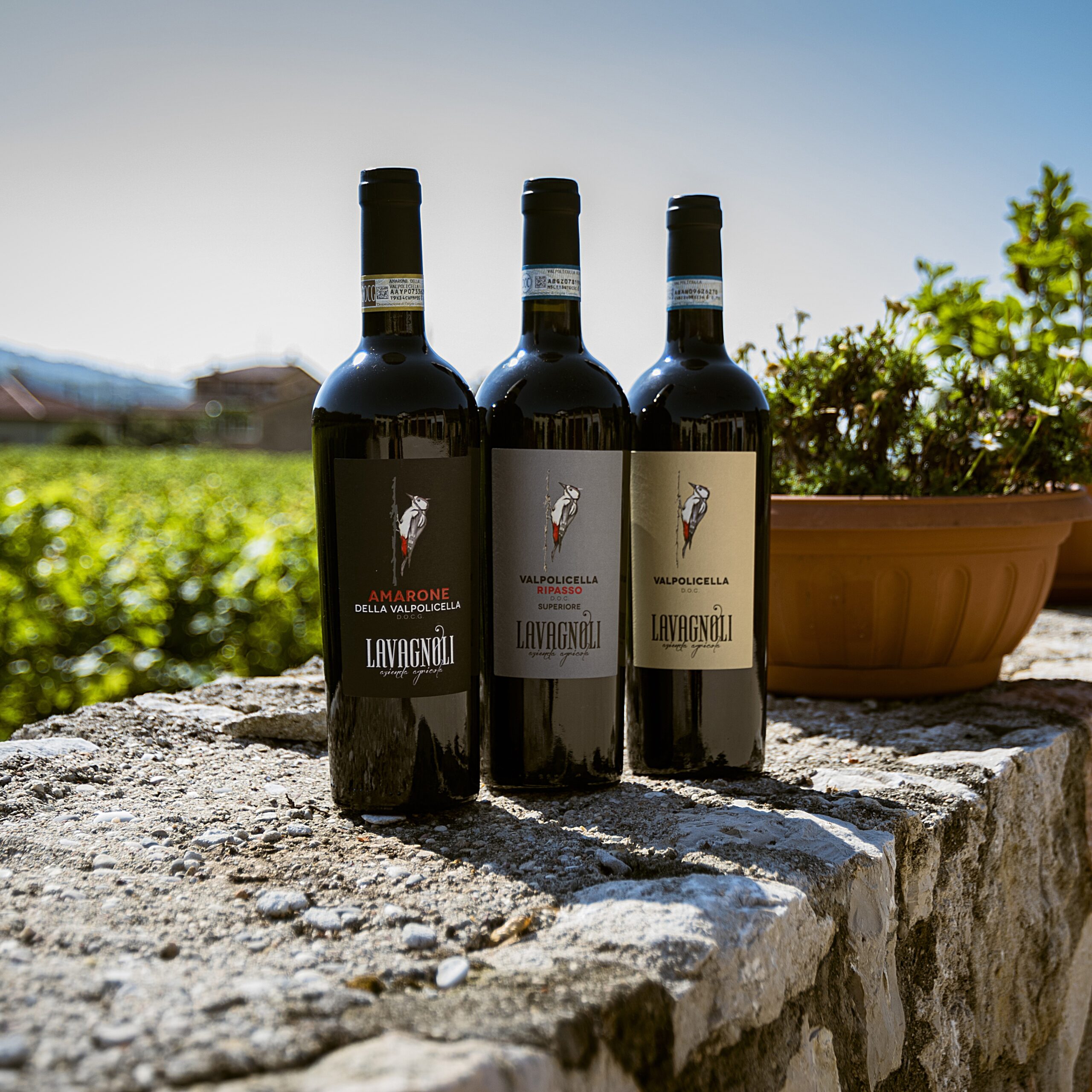
If we’ve piqued your interest and you’d like to meet Andrea and learn more about his wines and winery, join one of our Soave and Amarone group tours, or email us at [email protected] to check availability on private tours. We look forward to seeing you soon!