

Prosecco
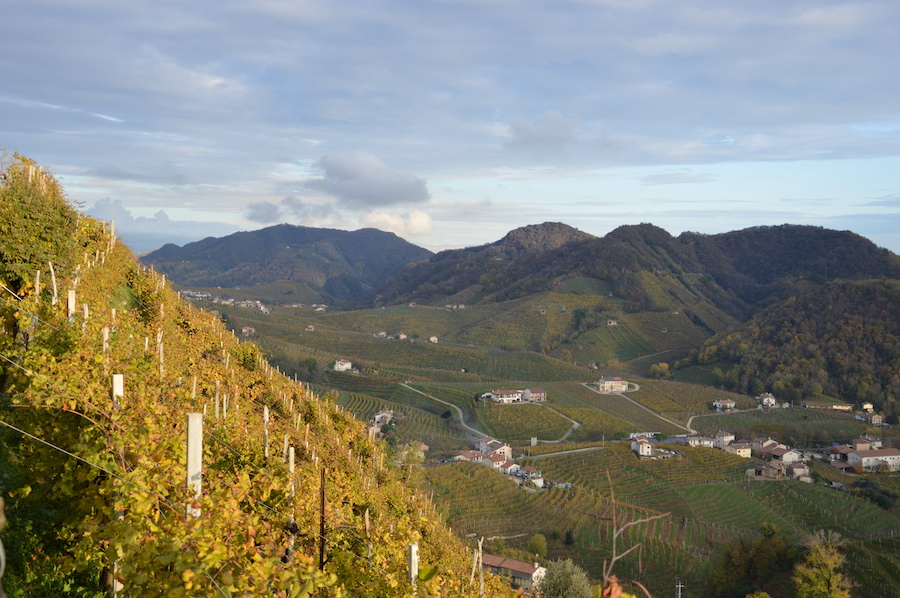
The history of Prosecco wine begins in Conegliano Valdobbiadene, a hilly area of rare beauty located 50 km from Venice and 100km from the Dolomites, where man has been dedicating himself to viticulture for centuries, creating a unique landscape, which beacame in 2019 an UNESCO world heritage site.
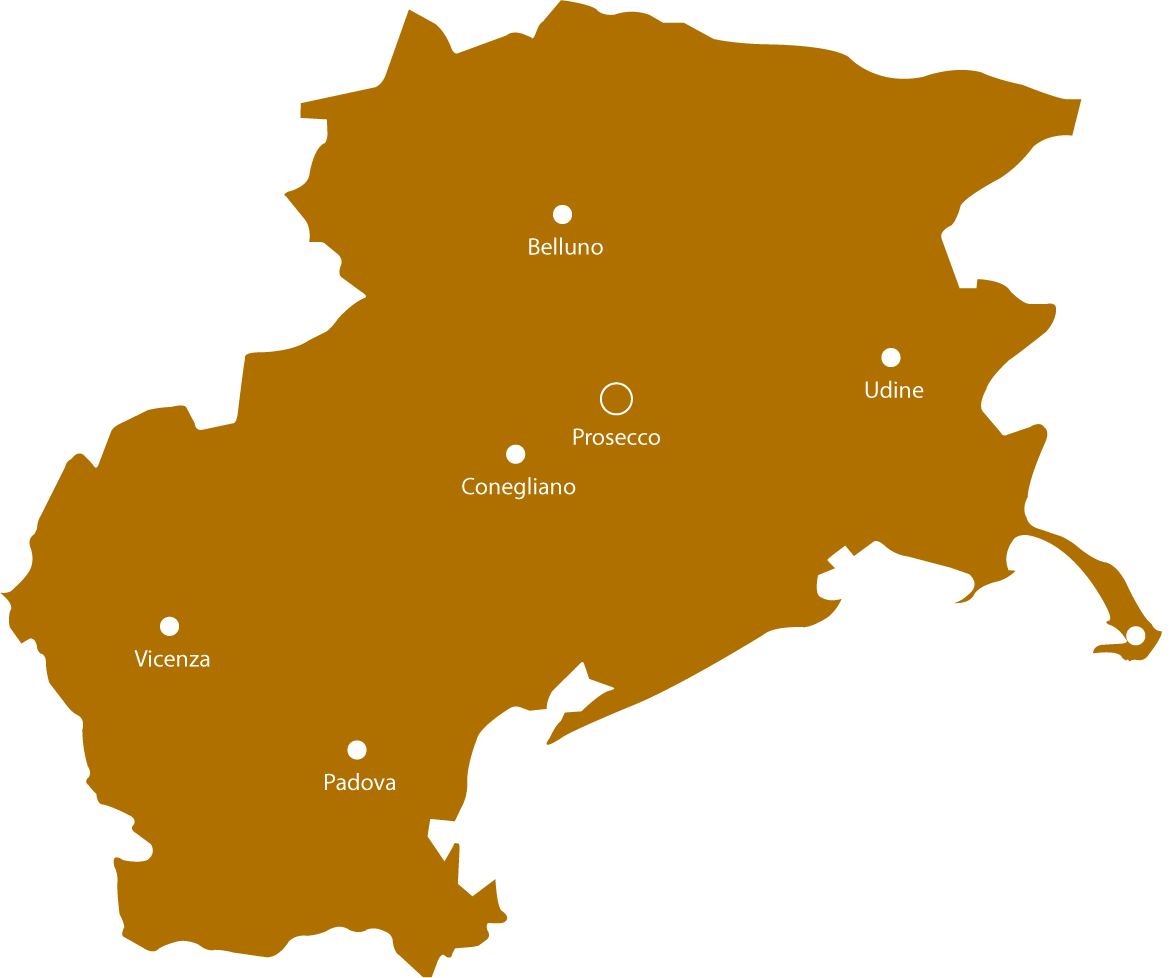
Conegliano Valdobbiadene Prosecco Superiore DOCG (Controlled and Guaranteed Designation of Origin) is the guarantee that every single bottle comes from an area that involves only 15 municipalities included between the two production capitals of Prosecco: Conegliano, with the first Enological School of Italy and with the first Experimental Institute for Viticulture, and Valdobbiadene, with the greatest concentration of high hill vineyards.
For producing Conegliano Valdobbiadene Prosecco DOCG only the following grape varieties are allowed: Glera for a minimum of 85%, local grape varieties (Verdiso, Bianchetta, Perera and Glera Lunga) or international (Pinot and Chardonnay) up to a maximum of 15%. The production of Conegliano Valdobbiadene Prosecco DOCG follows the disciplinary that regulates the production of the grapes, their fermentation and the fermentation process. The sparkling wine in this area is produced with the «Martinotti Method» which involves refermentation in autclave and allows to enhance the primary and secondary aromas, the fruity and floral aromas, while preserving the elegance, vitality and freshness of the wine. However, there are producers who make a Prosecco with the Classic Method – rare – or with the refermentation in the bottle – Prosecco Colfondo-. Conegliano Valdobbiadene can be tasted in the Extra Brut, Brut, Extra Dry and Dry versions, which are distinguished by the residual sugar in the wine.
The name of the territory – Conegliano Valdobbiadene – must appear on the label and be in the foreground. Both names or just one can be indicated and can be followed by the word Prosecco accompanied, in the case of Spumante- sparkling- , by the adjective Superiore. In much lower percentages than Spumante wine, Conegliano Valdobbiadene is in fact also produced in the Frizzante and Tranquillo types. In this case the term Prosecco is not followed by the adjective Superiore.
In 2009, the Italian Ministry of Agriculture classified this area as the Denomination of Controlled and Guaranteed Origin (DOCG), the highest Italian quality level. It is flanked by the DOCG Asolo and the DOC Prosecco, extended over 9 provinces of Veneto and Friuli Venezia Giulia, created to protect the wine heritage of Prosecco and protect it in the world.
Are you ready to discover this fantastic territory with splendid landscapes and to taste the most famous bubbles in the world? Book one of our tours starting from Verona, Venice or other cities in northern Italy. Our tours take place only in the historic and most characteristic area of Conegliano Valdobbiadene and in particular we will visit the Cartizze area, a very small hill of 108 hectares – or only 1 square km of surface – in the heart of Valdobbiadene where Prosecco DOCG Superiore di Cartizze -the most exclusive version, the qualitative apex of the Prosecco world- is produced.
Our Gallery Gallery
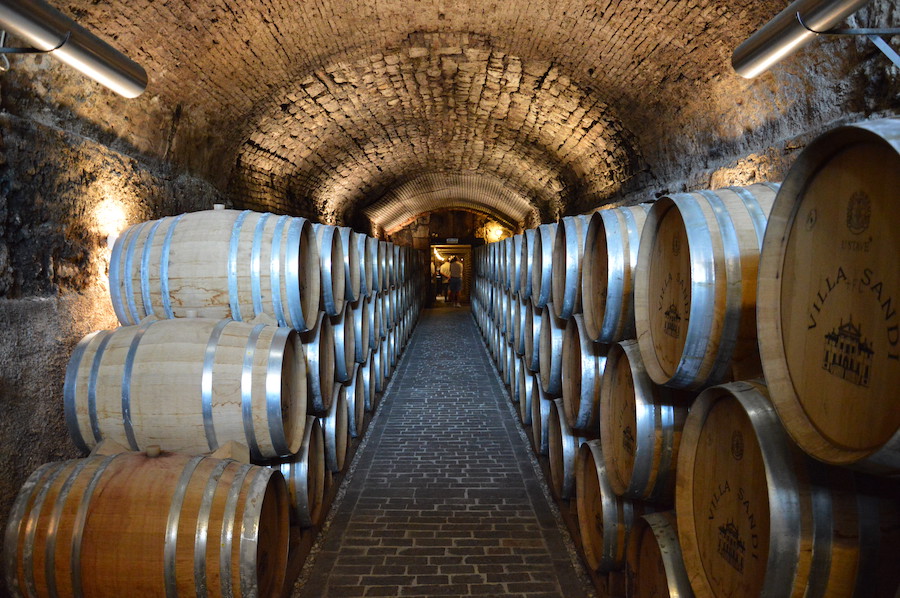
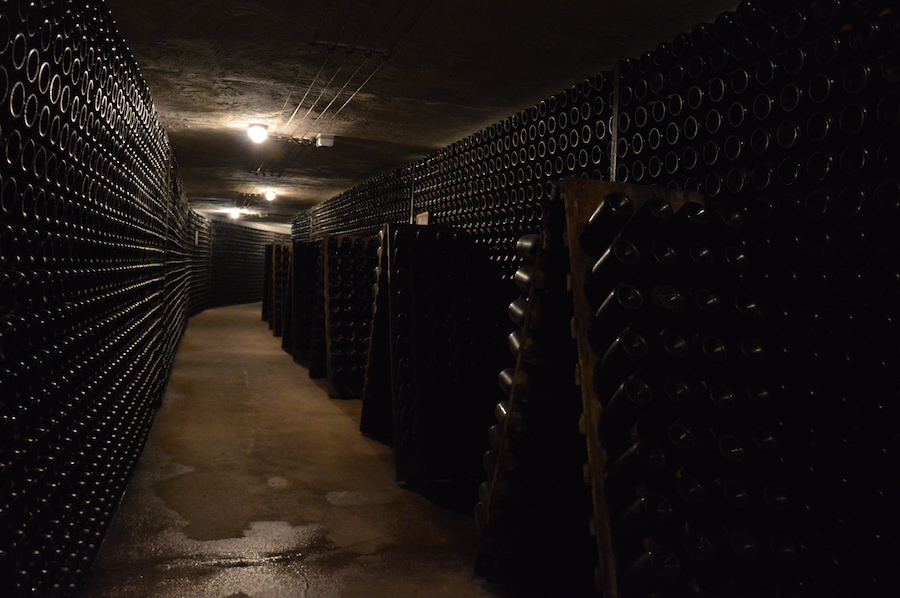
FAQ
Which Prosecco-related tours do you offer?
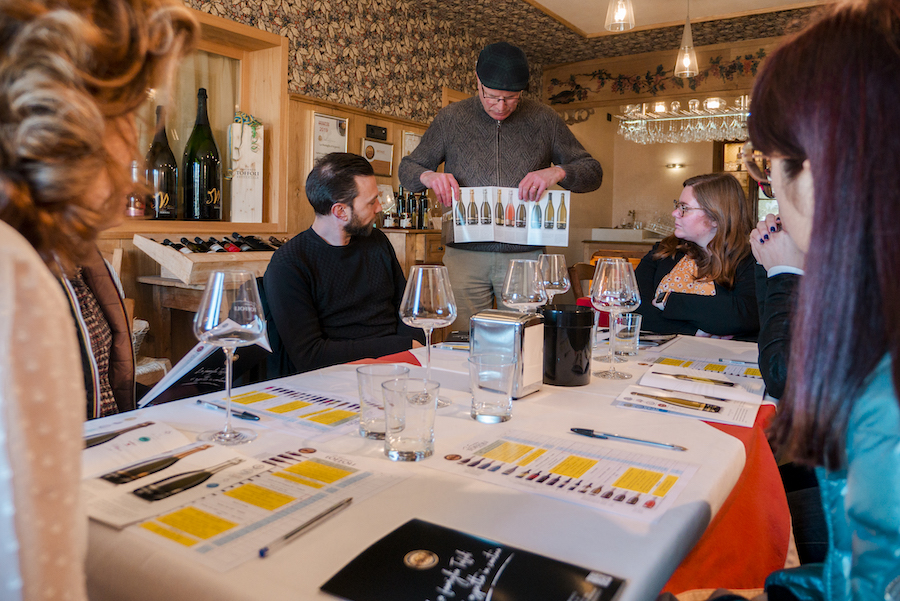
We offer a private (customizable) full day tour dedicated to Prosecco DOCG, designed to let you discover all its unique characteristics:
In the lands of Prosecco DOCG (full day): approximately 9 hours, discover our tour in the Prosecco hills, where you will have a full day at your disposal to learn the secrets of our most famous sparkling wine often referred to as “The Italian Champagne”! https://www.paguswinetours.com/private-wine-tasting/in-the-lands-of-prosecco-docg/
If I want to reach Conegliano from Verona on my own, which options do I have?
Conegliano is about 160 kilometers from Verona, by car it can be reached in approximately 1 hour and 35 minutes under normal traffic conditions. By public transport, you can take a train from Verona Porta Nuova station to Venezia S. Lucia, getting off at Venezia Mestre. From there you will need to take a train to Trieste Centrale and get off at Conegliano.
Which is the main grape variety used to produce Prosecco?
Prosecco is made primarily from the Glera grape variety, which according to regulations, must make up at least 85% of the blend, with up to 15% of other permitted grape varieties.
Which is the difference between Prosecco Superiore DOCG and Prosecco DOC?
The main difference between Prosecco Superiore DOCG and Prosecco DOC lies in the production area: the first one is produced in Valdobbiadene, Conegliano or Asolo while the second one covers a much larger area, including four provinces in Friuli Venezia Giulia. Other differences include the harvesting methods (mechanized for Prosecco DOC and manual for Prosecco DOCG) and quality controls: Prosecco DOCG undergoes stricter testing and certification processes before being approved compared to Prosecco DOC.
Which are the different styles of Conegliano-Valdobbiadene Prosecco?
In the hills of Conegliano-Valdobbiadene, several styles of Prosecco are produced, distinguished by their residual sugar levels. The driest version is called Extra Brut, a dry style ideal for aperitifs is called Brut. The most traditional and widely produced style is Extra Dry and finally, the slightly sweeter style is called Dry.
Which are the characteristics of Cartizze DOCG Prosecco?
Cartizze DOCG comes from a small specific area within the municipality of Valdobbiadene. Its prestige derives from the excellent sun exposure of the vineyards (almost all day long) and its late harvest. Glera grapes used for Cartizze are harvested last, developing intense aromas of pear, apple, apricot, along with floral notes of rose and jasmine. Cartizze DOCG is typically produced in the Dry style although in recent years Brut versions have also gained popularity.
Which is the ideal serving temperature for Prosecco DOCG?
Conegliano-Valdobbiadene Prosecco DOCG should be served chilled at a temperature between 6–8°C.
Which are the ideal food pairings for Prosecco DOCG?
Food pairings partly depend on the style. The Brut version pairs very well with appetizers and fish-based first courses, while a softer style like Extra Dry is ideal for appetizers and pairs nicely with fresh cheeses such as ricotta and goat cheese.
Is the Conegliano-Valdobbiadene region a UNESCO world heritage site?
Yes! The Prosecco Hills of Conegliano-Valdobbiadene were recognized as a UNESCO world heritage site on July 7, 2019, becoming the most recent UNESCO site in the Veneto region. They were awarded this recognition for their unique and stunning landscape and, above all, for their “heroic” viticulture (so called due to vine cultivation on extremely steep slopes) which has shaped the entire territory.